

Introduction
In today’s digital world, software plays a major role in almost every task we perform. From mobile apps to websites and complex systems, everything depends on well-written code. However, no software is perfect, and errors can occur during development. These errors are commonly known as bugs. Understanding the software bug definition is essential for developers, testers, and even business owners who rely on software systems.
A software bug can affect the performance, security, and usability of a system. Sometimes bugs are small and harmless, but in other cases, they can cause serious problems like system crashes or data loss. That is why learning about the software bug definition is not just important for programmers but also for anyone involved in technology.
In this article, you will explore the complete software bug definition, why it matters, how bugs occur, and how to fix them step by step. You will also learn about the benefits, risks, common mistakes, and expert tips related to bugs. Whether you are a beginner or someone with intermediate knowledge, this guide will help you clearly understand everything about software bugs in simple and practical language.
What is Software Bug Definition?
The software bug definition refers to an error, flaw, or mistake in a computer program that causes it to behave unexpectedly or incorrectly. In simple words, a bug is something that prevents software from working the way it is supposed to.
For example, if a mobile app crashes when you click a button, that is a bug. If a website shows incorrect information, that is also a bug. These issues occur because of mistakes in coding, design, or logic.
The term “bug” has an interesting history. It was first used when an actual insect caused a problem in a computer system. Since then, the word has been used to describe software errors.
There are different types of bugs, including:
- Syntax errors
- Logical errors
- Runtime errors
- Performance issues
Understanding the software bug definition helps developers identify problems and fix them quickly, ensuring better performance and user experience.
Why is Software Bug Definition Important?
Understanding the software bug definition is important because bugs can directly impact how software works. If bugs are not fixed, they can cause serious issues for users and businesses.
First, bugs can reduce user satisfaction. If users face errors or crashes, they may stop using the software. Second, bugs can affect business reputation. A faulty application can make a company look unprofessional.
Moreover, bugs can lead to security risks. Hackers can exploit certain bugs to gain unauthorized access to systems. This makes it very important to detect and fix bugs as early as possible.
Another reason why the software bug definition matters is cost. Fixing bugs during early development is cheaper compared to fixing them after release. Therefore, understanding bugs helps save both time and money.
Detailed Step-by-Step Guide
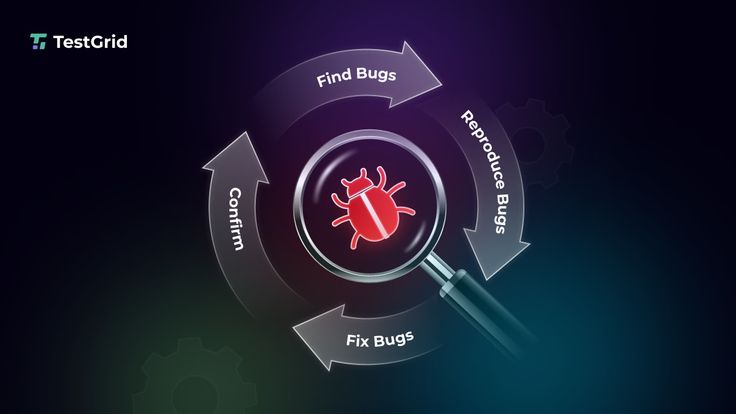
Step 1: Identify the Bug
The first step is to find the problem. Developers or testers observe unexpected behavior in the software.
Example: A login button does not work properly.
Step 2: Reproduce the Issue
Once the bug is identified, try to reproduce it. This means performing the same steps again to confirm the issue.
This step ensures the bug is real and not a one-time problem.
Step 3: Analyze the Cause
Next, developers check the code to understand why the bug is happening. This may involve reviewing logic, conditions, or inputs.
Step 4: Fix the Bug
After finding the cause, developers write the correct code to fix the issue. This is known as debugging.
Step 5: Test the Fix

Once fixed, the software is tested again to ensure the bug is resolved and no new issues are created.
Step 6: Document the Bug
Finally, the bug and its solution are documented. This helps in future troubleshooting and learning.
Benefits of Software Bug Definition
- Helps improve software quality and performance
- Makes debugging easier and more structured
- Enhances user experience and satisfaction
- Reduces development and maintenance costs
- Improves security by identifying vulnerabilities
- Supports better teamwork among developers and testers
Disadvantages / Risks
- Bugs can delay project timelines
- Fixing bugs can increase development costs
- Some bugs are hard to detect and fix
- Critical bugs can cause system failures
- Security bugs can lead to data breaches
Common Mistakes to Avoid
Many beginners make mistakes while dealing with bugs. Avoiding these mistakes can save time and effort.
One common mistake is ignoring small bugs. Even minor issues can grow into bigger problems later.
Another mistake is not testing properly. Without proper testing, bugs may remain hidden until users find them.
Developers also sometimes rush fixes without understanding the root cause. This can create new bugs instead of solving the original issue.
Lack of documentation is another mistake. If bugs are not recorded, it becomes difficult to track and manage them.
Lastly, poor communication between team members can lead to confusion and missed bugs.
FAQs
1. What is a software bug in simple words?
A software bug is an error or problem in a program that causes it to work incorrectly or unexpectedly.
2. What causes software bugs?
Software bugs are usually caused by coding mistakes, incorrect logic, poor design, or unexpected user input.
3. What is the difference between a bug and an error?
An error is a mistake made by a developer, while a bug is the result of that mistake in the software.
4. How can bugs be prevented?
Bugs can be prevented by writing clean code, testing regularly, and reviewing code carefully.
5. What is debugging?
Debugging is the process of finding and fixing bugs in software.
6. Are all bugs harmful?
Not all bugs are harmful. Some are minor and do not affect the main functionality, but critical bugs can cause serious issues.
Expert Tips & Bonus Points
To better understand the software bug definition and handle bugs effectively, follow these expert tips.
Always write clean and simple code. Complex code increases the chances of bugs.
Use proper testing methods like unit testing and integration testing. These help detect bugs early.
Keep learning from past mistakes. Every bug teaches something valuable.
Use debugging tools to save time and improve accuracy.
Work in teams and communicate clearly. Collaboration helps in identifying and fixing bugs faster.
Lastly, never ignore user feedback. Users often report bugs that developers may miss.
Conclusion
The software bug definition is a fundamental concept in software development. It represents errors or flaws that affect how a program works. Understanding bugs is important for building reliable, secure, and user-friendly software.
Throughout this guide, you have learned what a software bug is, why it matters, and how to identify and fix it step by step. You also explored the benefits, risks, common mistakes, and expert tips related to bugs.
In real-world applications, bugs are unavoidable, but they can be managed effectively with the right approach. Early detection, proper testing, and clear communication are key factors in handling bugs successfully.
Whether you are a beginner or an intermediate learner, understanding the software bug definition will help you improve your skills and create better software. By applying the knowledge shared in this article, you can reduce errors, enhance performance, and deliver a better experience to users.
